Trezor Login: A Complete Guide to Securely Accessing Your Crypto
As cryptocurrency becomes more popular, keeping your digital assets safe has become a top priority. Online wallets and exchanges are convenient, but they are often targets for hackers. That’s why hardware wallets like Trezor are essential for anyone serious about protecting their crypto. To manage your assets with Trezor, you need to understand the Trezor login process. This guide explains everything about logging in, managing your wallet, and staying secure.
What Is a Trezor Wallet?
A Trezor wallet is a hardware wallet designed to securely store cryptocurrency private keys offline. Unlike online wallets that are always connected to the internet, Trezor uses cold storage, which makes it much harder for hackers to steal your crypto.
Trezor was created by SatoshiLabs and is one of the most trusted hardware wallets in the crypto community. Popular models include the Trezor One and Trezor Model T, both of which work with the Trezor Suite desktop and mobile application, as well as the web interface.
Logging in to Trezor is not like signing into a website with a username and password. Instead, it relies on secure authentication using your device, PIN, and recovery seed, keeping your private keys completely safe.
How Trezor Login Works
The Trezor login process focuses on security rather than convenience. Here’s how it works:
Connect Your Trezor Device
Plug your Trezor into your computer or mobile device using USB (or USB-C for newer models).Open Trezor Suite or Web Wallet
Launch the official Trezor Suite app or visit the Trezor web interface to start the login process.Enter Your PIN on the Device
The PIN is entered directly on the device, not your computer, to prevent malware or keyloggers from stealing it.Access Your Wallet Accounts
Once verified, you can view balances, transaction history, and manage your cryptocurrency accounts.Confirm Transactions on Device
Any time you want to send crypto or perform wallet actions, you must manually confirm it on your Trezor device. This step ensures that only you can authorize transactions.
Setting Up Your Trezor Wallet Before Login
Before logging in, your Trezor wallet must be set up properly. The setup ensures your crypto is secure:
Initialize the Device
Create a new wallet or restore an existing one using a recovery seed.Generate a Recovery Seed
Your recovery seed is typically 12, 18, or 24 words. It’s the master key to your wallet and is used to recover your funds if the device is lost or damaged. Store it offline in a safe place and never share it.Set a Secure PIN
The PIN protects your wallet from unauthorized access. It’s required every time you log in.Install Trezor Suite
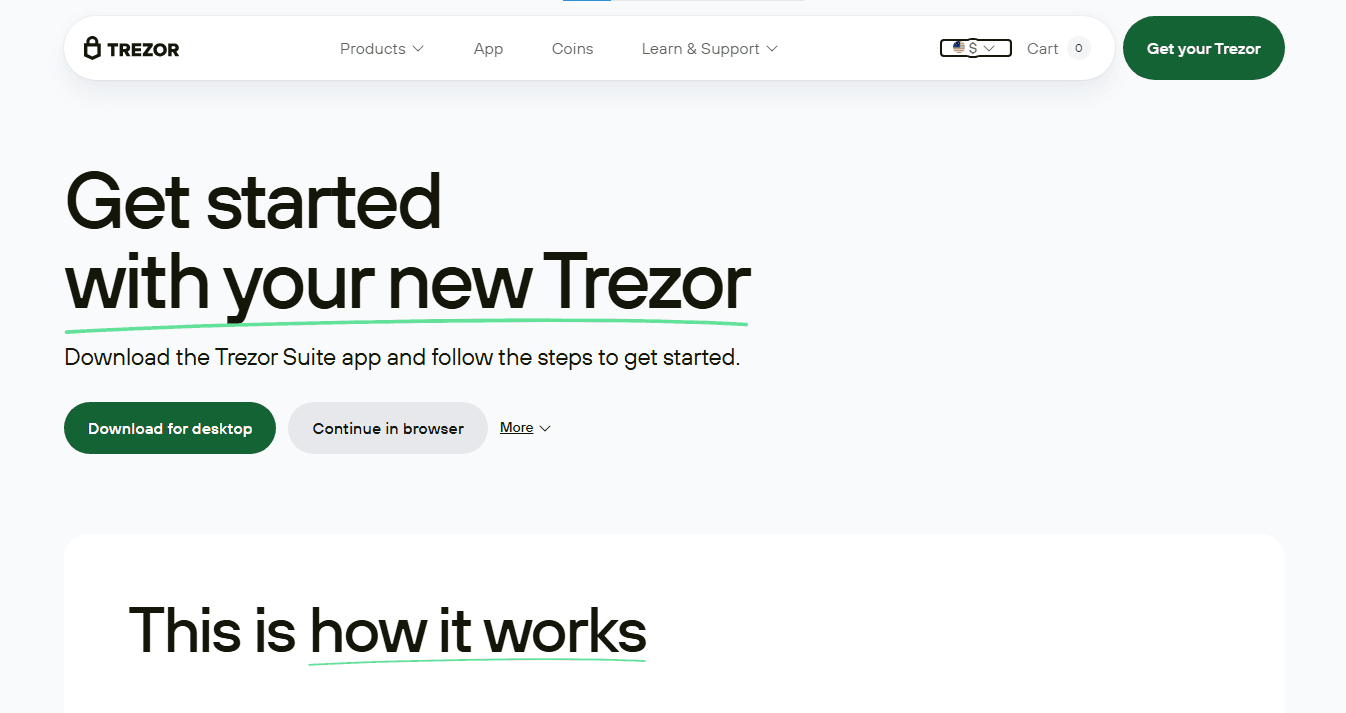
Download the official Trezor Suite application to manage your crypto, view balances, and send transactions.
Once these steps are complete, your wallet is ready for secure login and management.
Supported Cryptocurrencies
Trezor supports a wide variety of digital assets, including:
Major Coins: Bitcoin (BTC), Ethereum (ETH), Litecoin (LTC), Bitcoin Cash (BCH)
Altcoins: Tezos, Dash, Zcash, Stellar, and more
Tokens: Thousands of ERC-20 tokens on the Ethereum network
With Trezor Suite, you can manage all your supported cryptocurrencies in one place.
Security Features of Trezor Login
The Trezor login system is designed for maximum security:
Offline Private Keys
Your private keys remain on the device, away from the internet, protecting them from hackers.PIN Authentication
Even if someone steals your device, they cannot access your wallet without the PIN.Recovery Seed Backup
Your recovery seed can restore your wallet if the device is lost or damaged. Keep it offline for safety.Transaction Verification on Device
All transactions must be confirmed on the device, preventing unauthorized activity even on a compromised computer.
Common Trezor Login Issues and Solutions
Users may occasionally face problems when logging in:
Device Not Recognized
Check the USB connection and cable.
Use the original cable provided with the device.
Update Trezor Suite to the latest version.
Forgot PIN
Reset the device using your recovery seed.
Resetting erases the wallet on the device, but funds can be restored using the seed.
Recovery Seed Problems
Make sure the seed is written correctly and stored safely offline.
Losing the recovery seed means losing access to your crypto permanently.
Best Practices for Secure Trezor Login
To ensure your crypto remains safe, follow these tips:
Always Use Official Sources
Download Trezor Suite only from the official Trezor website.Keep Firmware Updated
Updates improve security and fix vulnerabilities.Store Recovery Seed Offline
Never store your recovery seed digitally or online.Set a Strong PIN
Choose a unique, hard-to-guess PIN.Confirm Transactions on Device
Always approve transactions directly on the device to avoid unauthorized transfers.
Why Trezor Login Is Important
Trezor login isn’t just about accessing your wallet—it’s a key security checkpoint. Unlike online wallets that can be compromised by stolen passwords, Trezor requires physical device access and PIN verification. This reduces the risk of hacks, phishing attacks, and malware.
Conclusion
Trezor login is an essential part of safely managing your cryptocurrency. By combining offline private keys, PIN authentication, and manual transaction verification, it ensures only the wallet owner can access funds. Proper setup, careful use of your recovery seed, and following security best practices can protect your crypto from digital threats.
Whether you’re new to cryptocurrency or an experienced investor, Trezor login gives peace of mind while providing full control over your portfolio. In a world where digital theft is increasingly common, Trezor offers a reliable, secure, and user-friendly way to manage crypto investments.